Pedestals

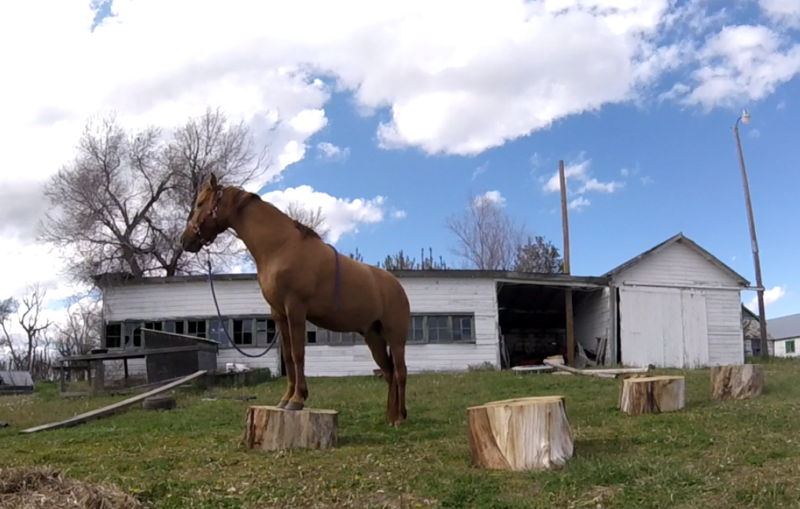
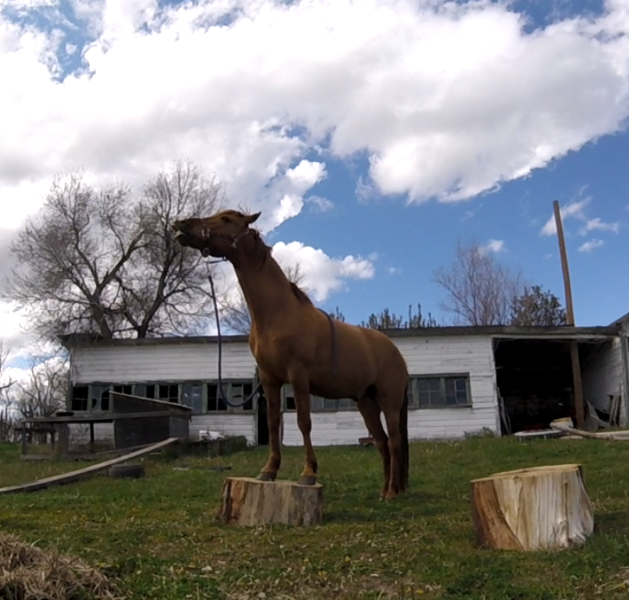
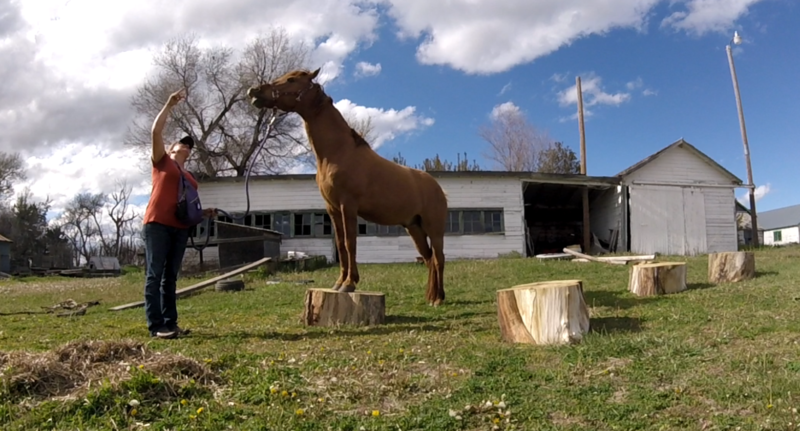
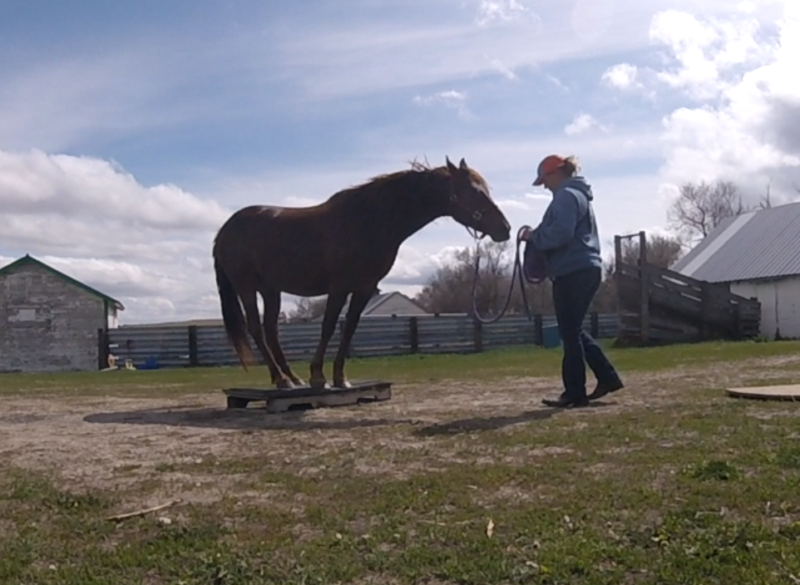
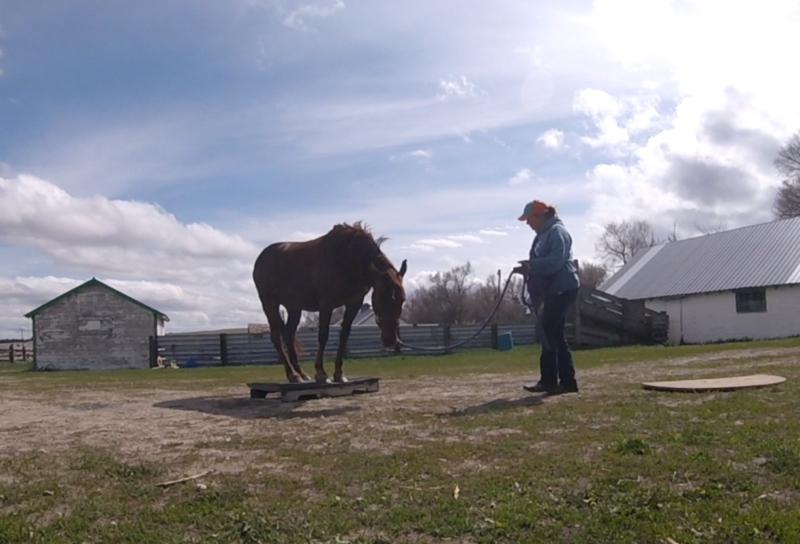
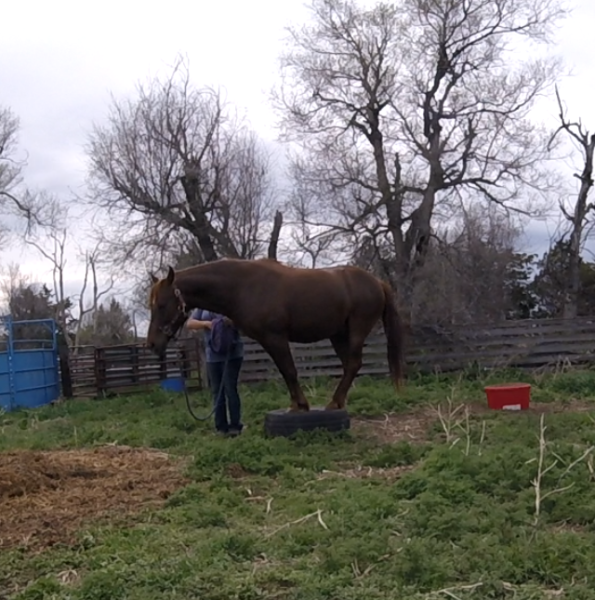
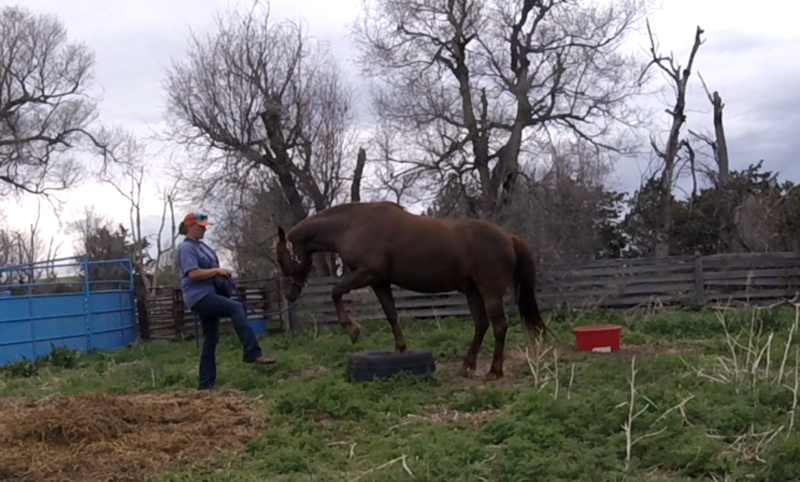
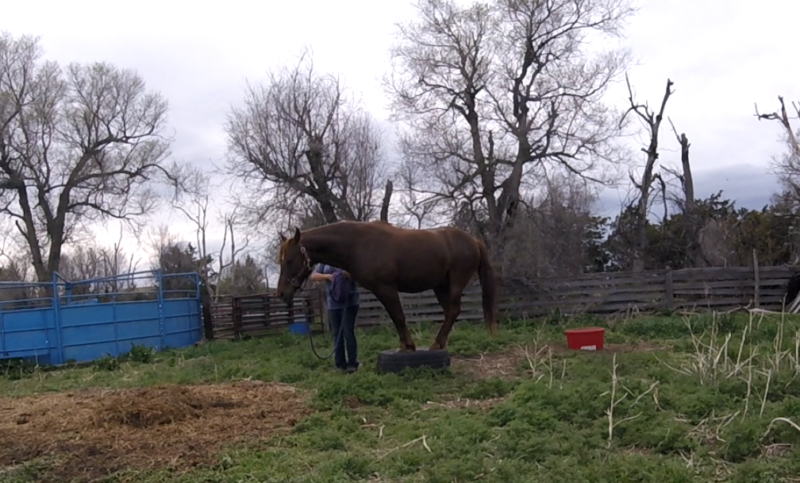
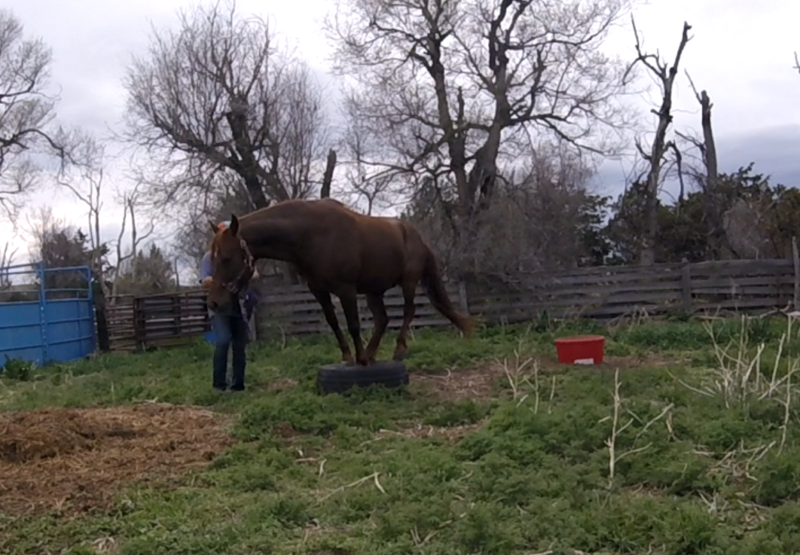
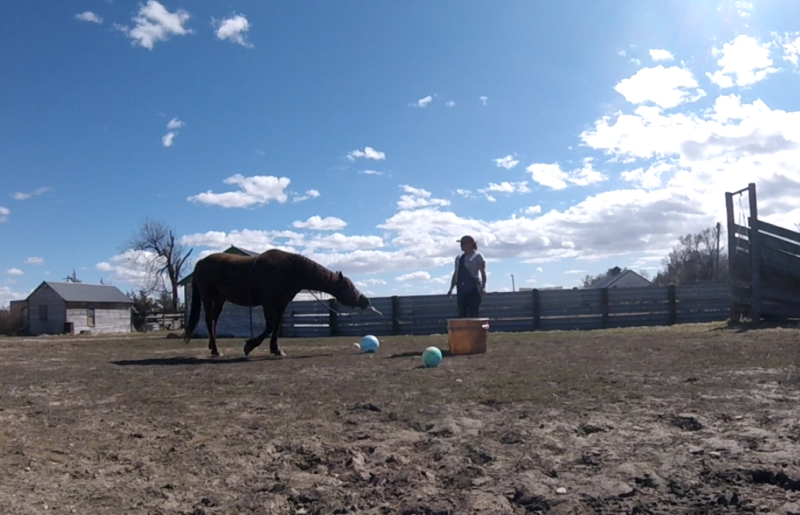
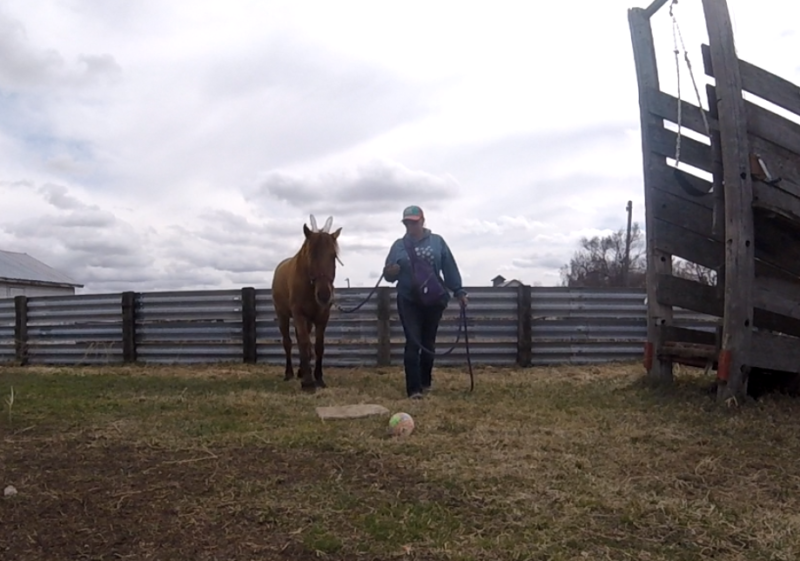
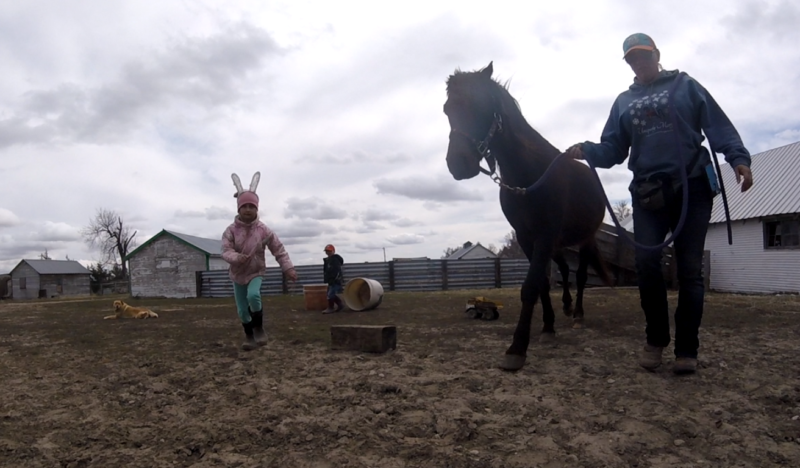
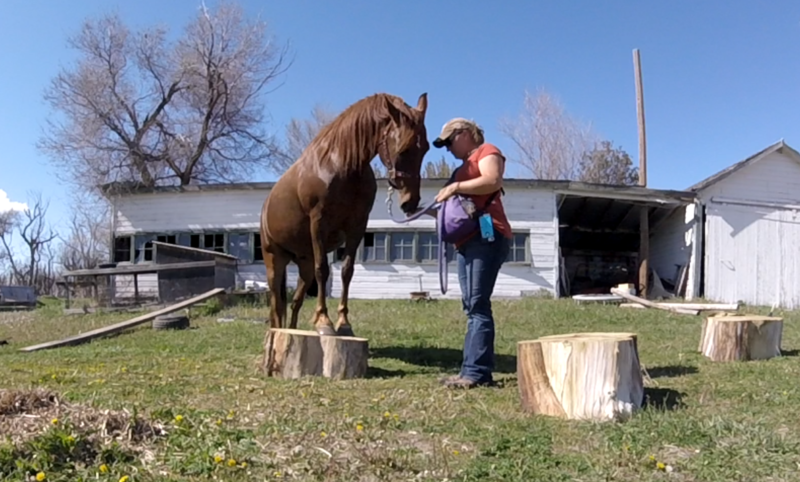
I have been on a pedestal kick lately. I look for new options everywhere and have been obsessed with working on the ones that I have.

The other day we were in town and I happened to look over at the city campground. Not sure city is the proper word there

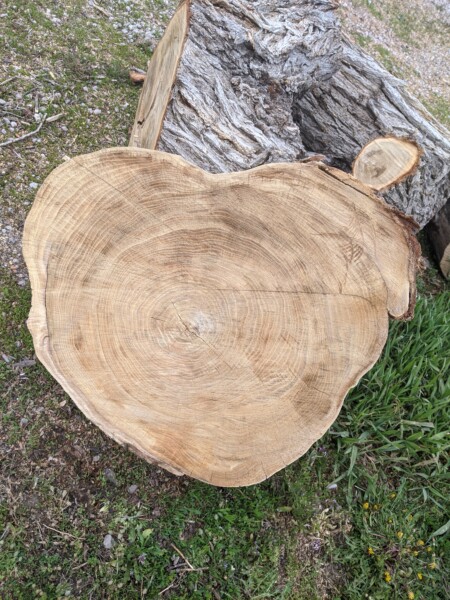
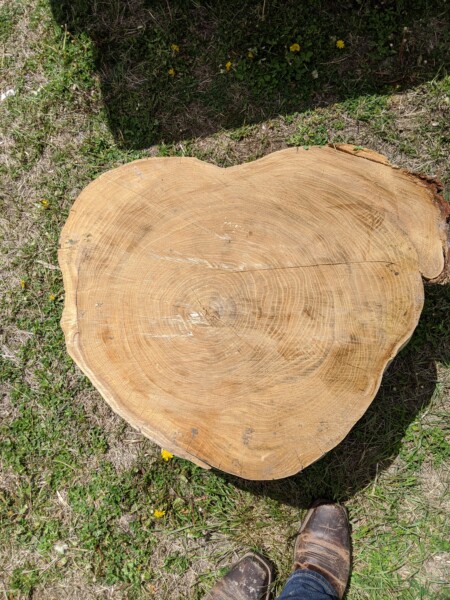
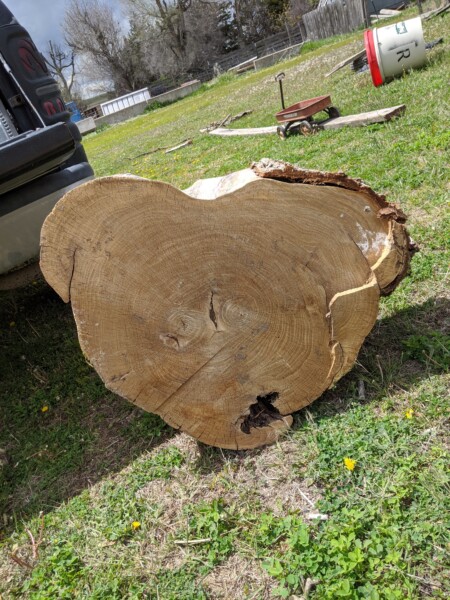
They had cut down a big tree and it was laying in a heap of chunks there in the middle. Big, wide pieces, Perfect for a pedestal!

I begged my husband to call his friend who works at the city and ask if I could have some. Being the sweet loving husband he is, and it was mothers day he called. I could go choose whatever I wanted and mark them with my name. When they were out loading them with the tractor they’d let me know, I could come and they’d load my pieces for me.

I did but couldn’t wait for them and the tractor. They pieces weren’t THAT heavy, surely we could load them ourselves.

After sufficient bugging we did just that.

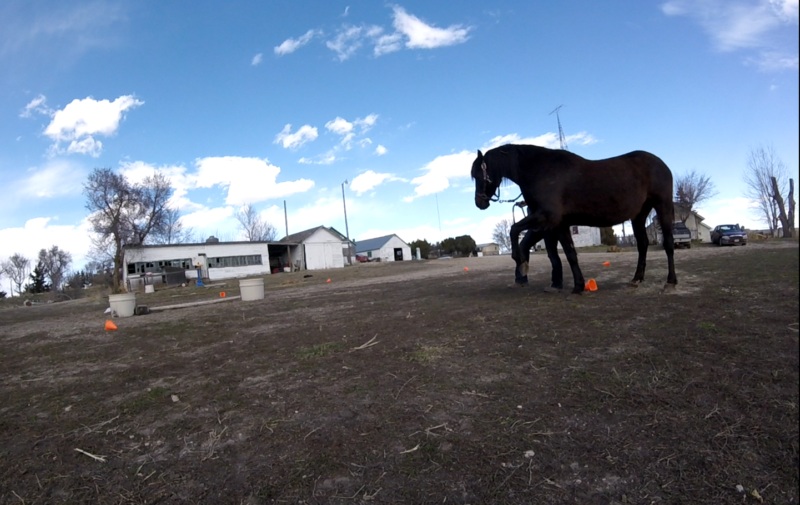
Now to find time to play with them We got a few minutes in last night. Rusty hates them. Hieldorf if fine with them. No one can concentrate because all they want is GRASS!


Pedestals

I may be a little obsessed with pedestals lately.

I spend all my time looking for things I can use. Junk tires, a tree cut down at the city park. Pieces of plywood. Anything is fair game.

The next part is to get horses onto them! Rusty is getting it down 😎


Is There A Practical Application For That?

Spending some time with horse friends the other day we talked about some of the tricks my horses can do.

I was asked the question, “Is there a practical application for that?”

I was caught unaware and without and answer. Is there a practical application for a horse knowing colors? For being able to bow or smile or give a fist bump or Spanish walk? Umm, no? I was unable to come up with an answer to what you could use those exact behaviors for. We all laughed and said fetch prevented you from having to get off tog et your hat when it blows off. The real question went unanswered though.

I haven’t been able to get it off my mind.

What possible benefit is there to teaching a horse silly’ tricks?

The true answer to that goes so far beyond the act of the trick itself. The benefit to teaching any trick goes into ever other aspect of riding and interacting with the horse.

By  teaching a trick we engage the horses brain. We ask him to think, to use his mind and work through a problem instead of reacting. By teaching new skills a horses brain builds new connections allowing him to follow new thought paths instead of the same old ones that lead to the same old behaviors. A horse, any animal, with a greater repertoire of behaviors is better able to help himself in difficult or scary situations. There is a wonderful example in a story from a zoo in Mexico. There was an earthquake and the animals who had been trained were able to find ways to save themselves. Far fewer trained animals died than untrained even though they shared the same habitat. Think how useful that will be when your horse spooks out on the trail or gets caught in wire.
By teaching a horse tricks we teach them that things which might otherwise be considered scary are actually fun toys. A tarp? Not scary, a great thing to stand on and receive rewards. A plastic bag blowing in  the wind? No reason to run. Chase after it instead and when you catch it grab it to hand up to your person. By teaching the horse to interact with unusual objects we take away fear and build confidence. The horse learns to overcome fear as a fun game that he wants to play instead of running scared in a round pen.

By teaching tricks we teach our horses that WE are fun to be around.  Working on traditional training we can become overly focused  on results and perfection. Sometimes it becomes not so fun  for the horse resulting in a horse that is hard to catch and has no interest in being around us. By taking the pressure off and playing instead we can become interesting again. All while building skills that will benefit the more serious sides of riding. Taking the time to add a few tricks in while working on other training can serve as a reward for sticking with you on the not so fun stuff.

Teaching tricks can make training fun again but it also helps with all other training. Everything we do with a horse is a trick to the horse. They don’t know that fetch is silly but having a person on their back is not. Everything we teach a horse helps everything else we do with a horse. Or hurts if they don’t enjoy what you are doing. Teaching tricks builds trust and communication. When your horse wants to listen to you and understands what you are asking it will improve everything you do with your horse. Not to mention the confidence and lack of fear that makes it easier to work on other aspects of training.

In the end the practical application seems to be that teaching tricks improves everything! That is the most practical application I could ask for in anything. Once you get used to the freedom and joy in working that teaching tricks brings into your relationship with your horse is can be difficult to get beck to ‘normal’ horse training in the way that you knew it before. Halters become an extra and a nuisance. Horses come running asking to work. Remembering why you ever did anything differently becomes the difficult thing.


Kids Horse

Sometimes there comes that point in life when you realize….

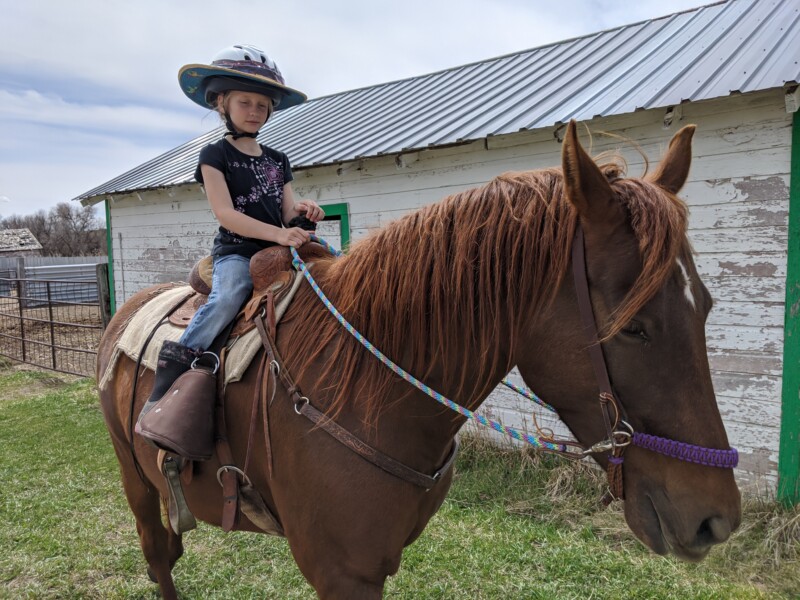
You may have lost your horse

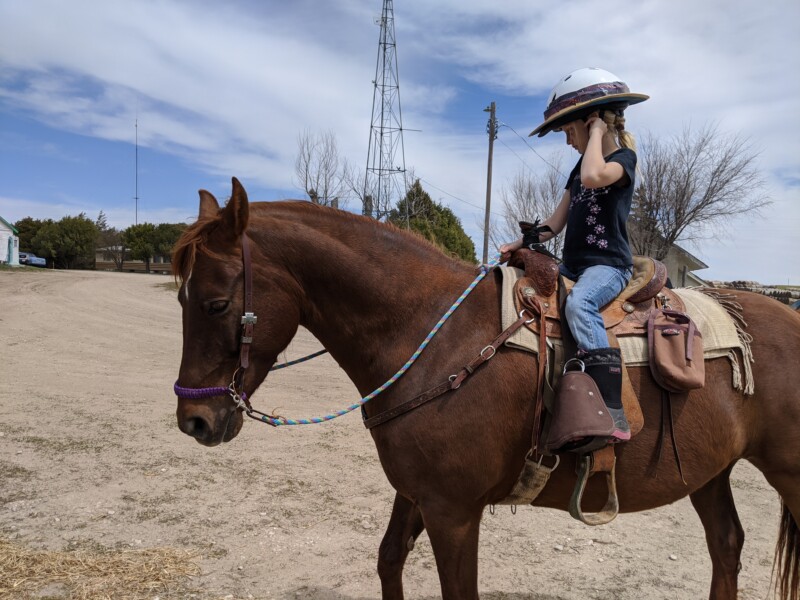
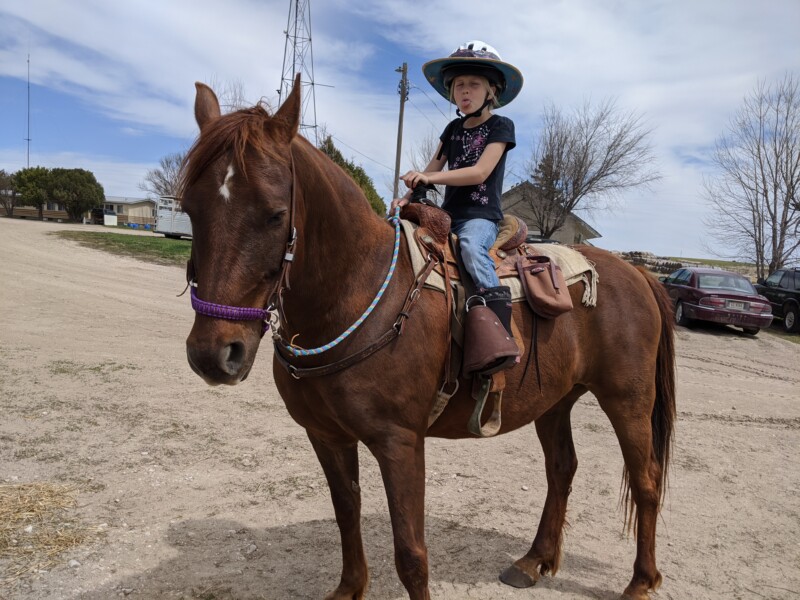
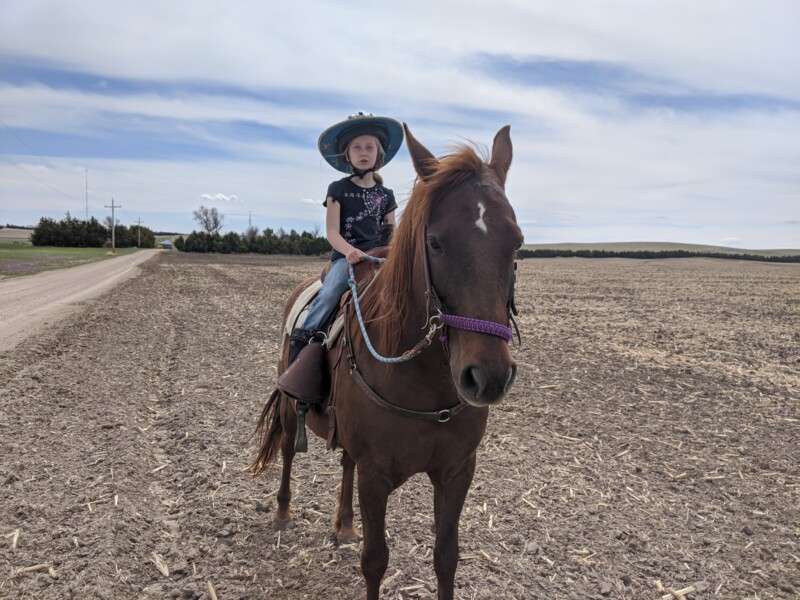
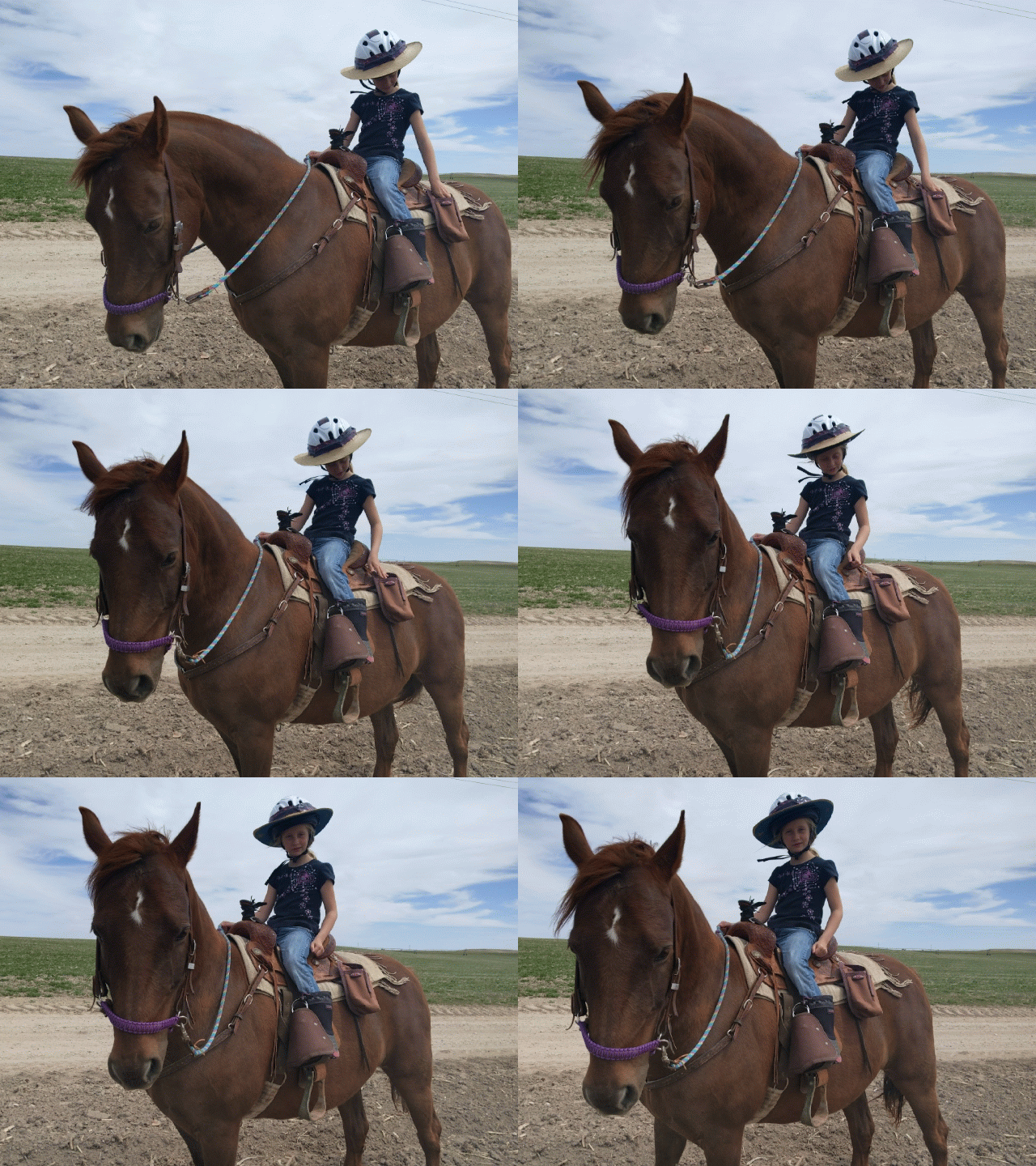
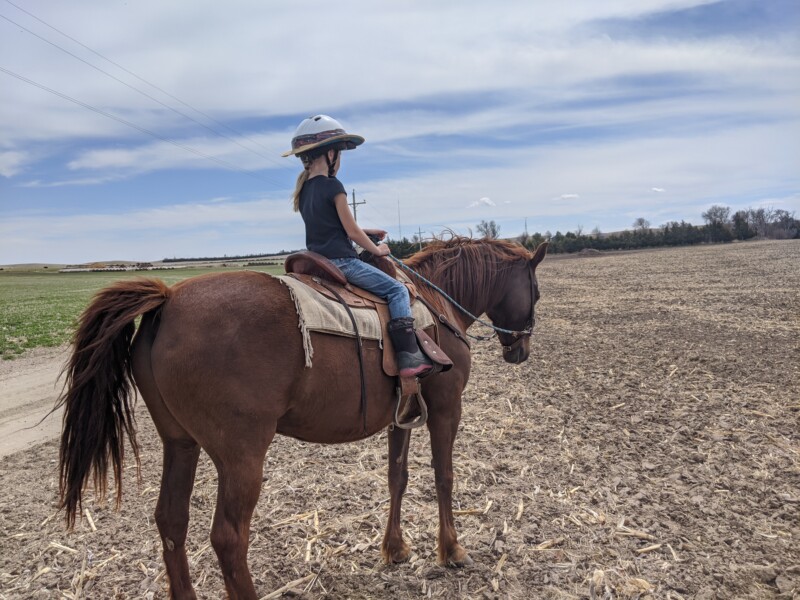
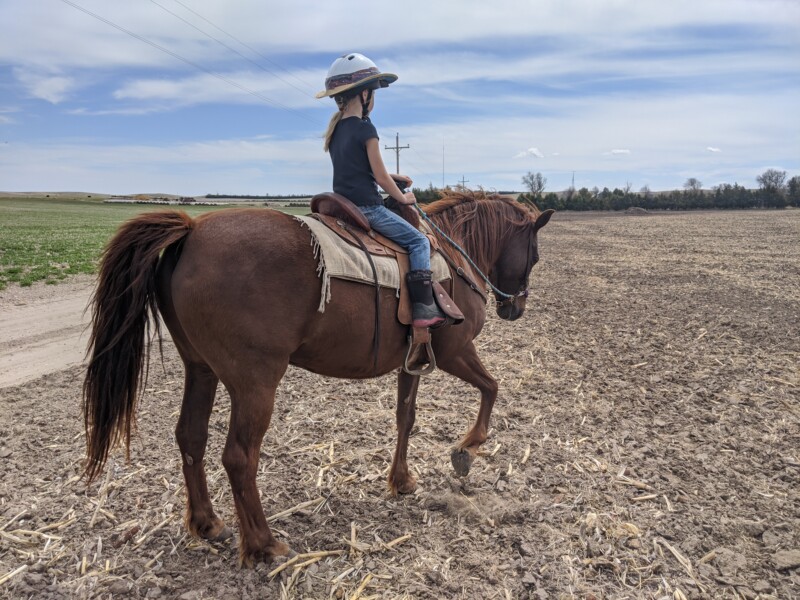
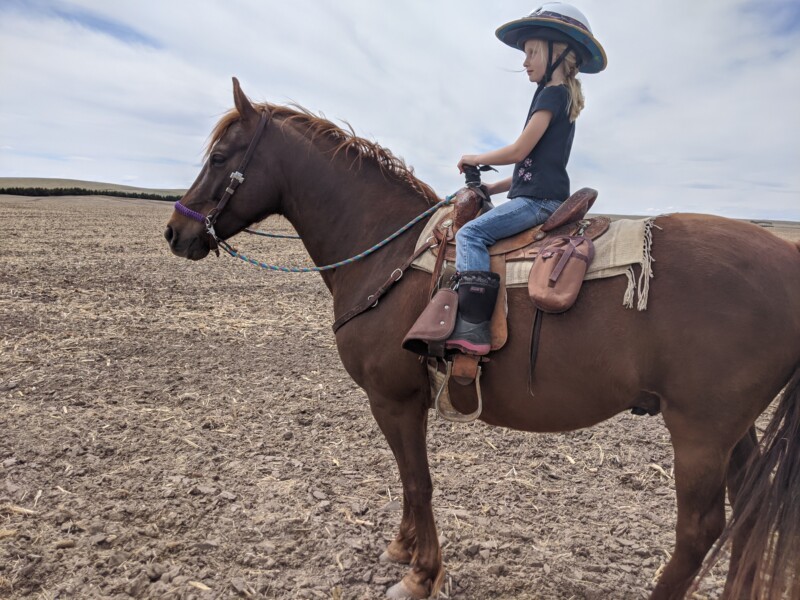
It was fun to see them do so good together. Rusty spent most of the time asking me to save him. He’s been ridden by someone other than me twice I think? He was so good though. Very slow and quiet and ducking behind the bridle if she made the slightest contact.

I got on after she was done and he was off, wanting to trot and lope out. Full of energy and raring to go.

It’s amazing how Morgans will take care of the children.


Halters

I know this seems pretty basic to most people but, halters are a useful tool!

Yes, it comes as a shock to me.

We almost always work at liberty. It works very well for us. We accomplish what we set out to, the horses are happy, we get quite a bit done.

Right now with the spring grass growing fresh and green though, I can’t compete. The horses have to wear halters. Saying no is one thing. Choosing to leave to go eat the grass they aren’t allowed to have anyway is completely different. That was the subject of another post though!

Using halters I have come to the shocking conclusion that they are very useful tools.

They help us give clear, precise information to our horses. They help in the same way that using any other sort of pressure helps us communicate with our horses.

They can help an energetic enthusiastic horse slow down. They can help a horse who wants to fetch everything know what you don’t want them to fetch. I suppose they would help with leading, who needs a halter for that though.

Like with the use of pressure a halter can be used badly. We can yank on the leadrope add nose chains and generally work hard to make our horses miserable, just like we can gouge with spurs and yank on reins. The difference is in the use of the tool, not that the tool was used.

Can people get the same job done without a halter? Without ever using pressure? Yes, it can  be done. There are people who can teach horses to do amazing things without ever touching them.

How many of us are truly capable of that though?

How many of us instead let our horses flounder about confused and trying desperately to figure out what we are asking?

What is worse? To use a bit of pressure, some negative reinforcement, in a calm clear way? Or to have a confused worried horse?

I am going to try to remember this lesson about the use of halters even after the grass isn’t so lush and tempting. Sometimes a bit of extra guidance isn’t a bad thing!


Choice

I am a firm believer in allowing my horses to have a choice in what we are doing, anything I work with actually, children, cattle, our dog, anything. When allowed the option to say no we feel more in control of our lives and generally happier to say yes. Being able to say no makes us much more likely to willingly say yes.

But.

As with all things there are conditions and the answers must be considered carefully according to the individual situation.

Right now the horses are all being worked in halters. They have the option of saying no, the goal is to never actually pull on the leadrope. All options are not available to them though.

There is free choice and there is true choice.

We all have the option of staying in bed all day, deciding not to go to work. There are consequences though. When making choices we are always aware of what each choice means.

Few horses would choose to turn down the first hints of spring grass. How can any treat begin to compare with that? Going out to graze freely whenever they want isn’t a true choice though, any more than staying home and giving up work is for us. No matter how fun that would be.

By putting on a halter I am taking away that option that is not truly a choice. If they weren’t working with me they wouldn’t be out grazing in  the yard, they would be in their pen  hanging out with friends and eating free choice hay. That is their other option. They are fat little ponies, all of a breed prone to founder. The grass is young and tender, grazing now isn’t good for it either. Working with me or going out and causing damage to them and the future grazing is not true choice. That is not the other option.

Choice is very important but that doesn’t necessarily mean a choice between working or anything else in the world. We can offer actual, practical, choices. A choice between doing two different behaviors, a choice between different treat, the option of not wanting to work just now. The other options should be good ones. A choice between doing what you want them to or doing something they don’t like is no real choice.

We need to find that sweet spot in the middle. True choice.

That doesn’t mean we don’t enjoy any of that yummy green grass. What better way to end a session than by rewarding with some hand grazing!


Twins!

Or not. Almost though, in  name if nothing else.

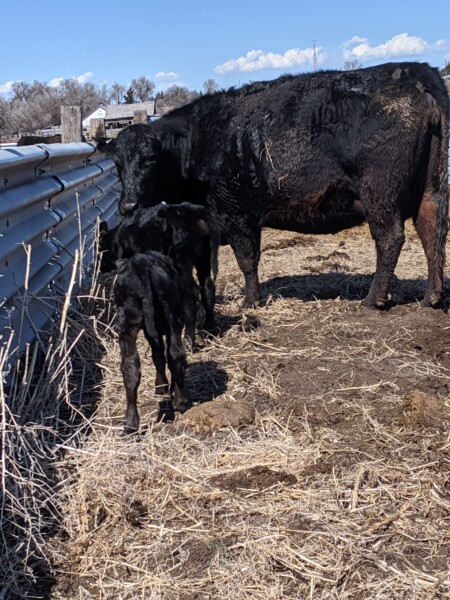
We went out to check the cows. One of our cows had a calf. It was up and standing next to her trying to nurse. We left them alone to do their thing with out getting any closer and bothering them. I would come out later and give the calf his ear tag so we wouldn’t confuse him with any of the other solid black calves.

When we came back the cow was no where near a calf and had no interest in looking for a calf. We went searching for her if she wouldn’t do it.

We found a calf who was hungry and searching for a mom. He hadn’t eaten in so long both sides of his belly were nearly touching in the middle. I thought this must be the one! Was she not letting him nurse? Had she not claimed him? Better get them brought in.

First though, the oven  needed shut off. Not having anticipated being out here this long I had started supper before leaving the house. It would be getting pretty crispy by now.

My husband had gotten home by then and came back out with me. We started pushing them both towards the gate. Both of them were willing to move, willing to move together even  but she still had no interest in him. My husband stopped and shut off his fourwheeler. Do you think that’s her calf he asked?

I shut mine off too and sat pondering the question. She showed none of the usual signs of having given birth recently, she was fat still, had no cleanings, and her tail was shiny clean. The only reason I had to think there had ever been a calf was seeing her with it earlier. I began to doubt what we had seen. Had we really seen a cw with her own new calf or had we seen a cow standing in the pasture next to some random calf?

We decided to leave her and him and see what was going on in the morning. Maybe he would have found his own errant mom by then, finally beginning to miss her calf as her udder got full and sore.

The next morning as I drove by with feed I thought I saw him laying there and was sad he hadn’t found his mom. When I came back for a closer look though all I saw was a cow with one calf nursing while she licked another.

Twins!

How exciting. Unlike horses cattle can easily carry and deliver a healthy set of twins. They can’t usually raise them well by themselves but it gives us an extra calf. If another cow looses her baby we can take one of the twins and give it to her. The mother of twins wont miss one and the other cow will be thrilled to have a calf again not caring too much that it isn’t hers.

Looking around for the calf without a mom though, I couldn’t find him. I looked closer at the ‘twins’ and realized that although the calf she was licking was brand new the one nursing was not. One of our twins was the motherless calf from  yesterday.

She was letting him nurse though so even if we would have to bring him in at least he was getting one good meal. I locked the gate to keep other cows out and her in with her pair of calves and left them.

All  day and that evening, as I checked them carefully to make sure her new baby was getting his fair share of milk and the older one was still able to eat, she was keeping a close eye on both of them, mooing softly when I got near. Apparently she was claiming both calves as her own!

Often cows will walk away and leave one of her own twins. This cow had adopted a calf that wasn’t hers and was keeping a close eye on him. To help her out with that job though it would be good to keep them separated from the rest of the herd. Luckily we had an empty pen with hay already in it where I could also feed her a little extra with two mouths to feed. I moved her across the alley way to her pen and there she and her babies sit. All the food she can eat, lots of room for them all to roam and a mom just perfect for the abandoned calf.

We will never know for sure where the calf came from. He could well be the calf of my cow and she just isnt interested in raising him this year. We’ll know for sure if she has a calf for real.

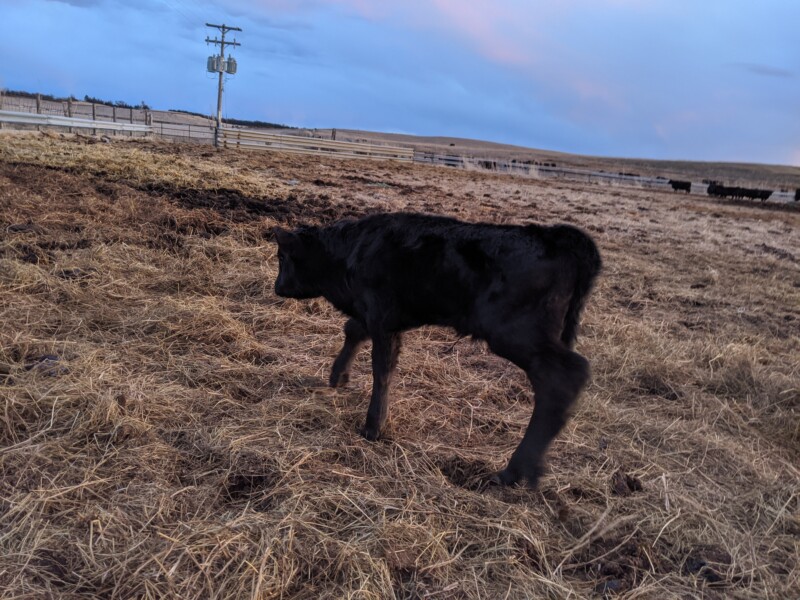
He was very tiny with weak curvy hind legs. Half the size of his slightly younger adopted brother. It’s very likely that he was actually a twin but his mother abandoned him. They are hard wired to keep track of one calf, two is often more than a cow can keep track of on her own.

Wherever he came from he has a mother who is doing her best to raise him now. There may come a time when we take him away and give him to another cow to raise. One cow has a hard time providing enough milk for two calves to grow big and healthy, he would be better off with one mom all to himself. Until or unless that happens though this is the best possible thing that could have happened to him.

What a great cow 💜

The Rest Of The Story

I’ve been sharing stories of mad cows and dying calves. Those are the exceptions, the odd ones out that make for a good story. I feel like I should tell about the norm too. The way life goes on that isn’t exciting or sad.

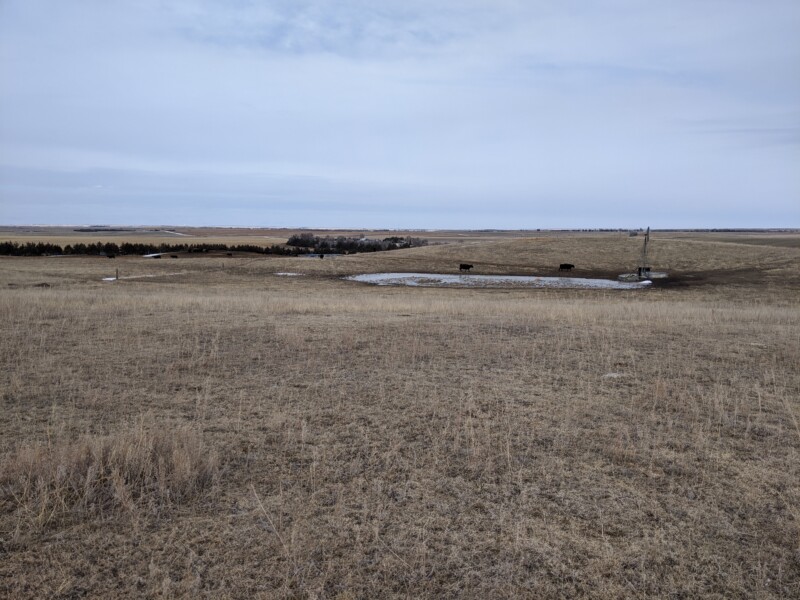
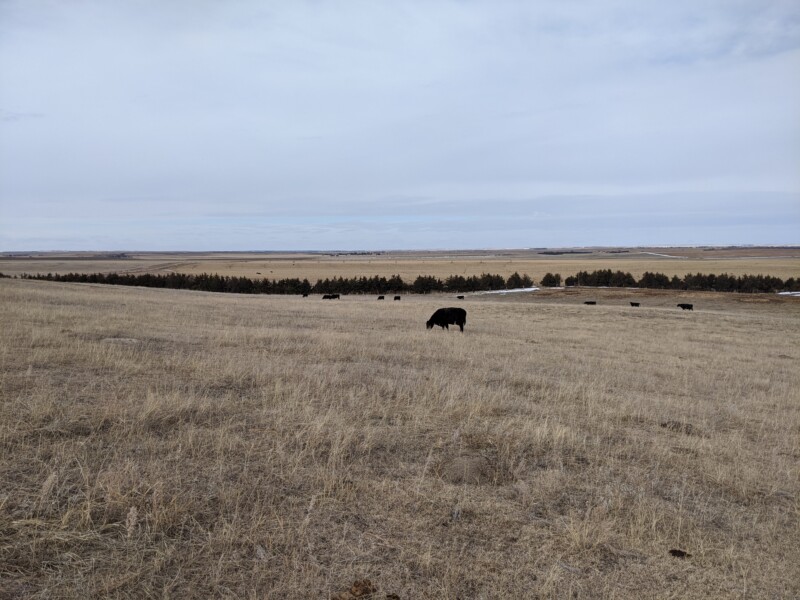
Yes, a few of the cows will get upset and want to fight, some calves will die, it’s guaranteed every year, there will be storms, there will be heart break. Mostly though the cows spend the winter out on  the small home pasture. It is similar to a sacrifice area people have for horses. A small place to confine them to protect the larger pastures. Only a small portion f it is actually ‘sacrificed’ though, up around the corrals and behind the windbreak. The places where we feed in storms or when it’s really muddy. The rest gets grazed hard in the spring, during calving, but is otherwise a healthy native grass pasture.

At a quarter section, 160 acres, the cows have plenty of room to roam and hang out with the other cows. We also open up the fields at different times for them to graze the cornstalks or winter wheat. They don’t ever have the full section to graze at once because we rotate but there is lots of room.

We try to stay out of their way as much as possible. Ideally the cow will have her calf and raise it completely on her own with no interference from us. In late spring we bring them in for shots and to be branded. then they get shipped out to pasture for the summer.

Beef cattle are very different from dairy cattle. We breed for a strong maternal instinct, we want the cow to fight off predators and to claim her calf. That is part of the reason they will fight sometimes when  we try to bring them in. Yes there are ways to avoid this, more selective breeding and handling or training. It’s not usually a problem though. Dairy cattle have been bred for a very long time not to have the strong maternal instinct. They don’t care about their calves. Isn’t it amazing what can be bred for?

Sometimes even with all the careful breeding a beef cow will still walk away and leave her calf or kill it outright. Between that and watching for any that have problems calving or calves born in bad places, we check the every few hours through calving.

Some may wonder why, when I have so many horses that need ridden, I am so often mounted on a fourwheeler, quad, whatever you want to call them, it’s all in the vernacular 😉

As I mentioned, the pasture is fairly big. It takes awhile to ride over, I can’t carry small children on a horse, when it’s miserable outside a fourwheeler can go faster, when I’m already out there with the fourwheeler feeding its harder to go back to the house, saddle up, then get back out there. It’s all about speed and convenience. And children. I ride out when I can. With the children home, when the weather gets decent again, I’ll start trying to ride out with one of them along.

Now for updates. The cow that was mad about coming in that I left in the lane with the feed bunks. I came out later with my father in law and he went head to head with her all the way down the lane. We got her into the other corral with the other cows and calves and they weathered out not blizzard very well. Lots of hay and straw to bed down in and a barn for the calves.

The cow with the frozen calf that also didn’t want to come in. The calf was in really bad shape when we brought him in, we have to try though. It was hopeless from the beginning but we always do everything in our power to keep them alive. Not for money, anyone in agriculture can tell you that even though the stores can’t keep our products on the shelves we are going broke because neither cattle nor crops are worth enough for us to break even.

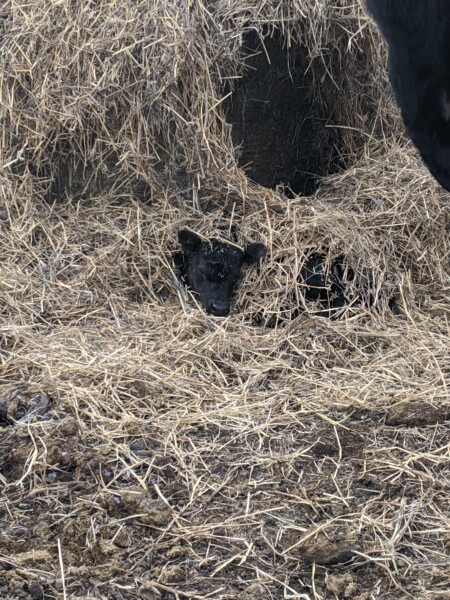
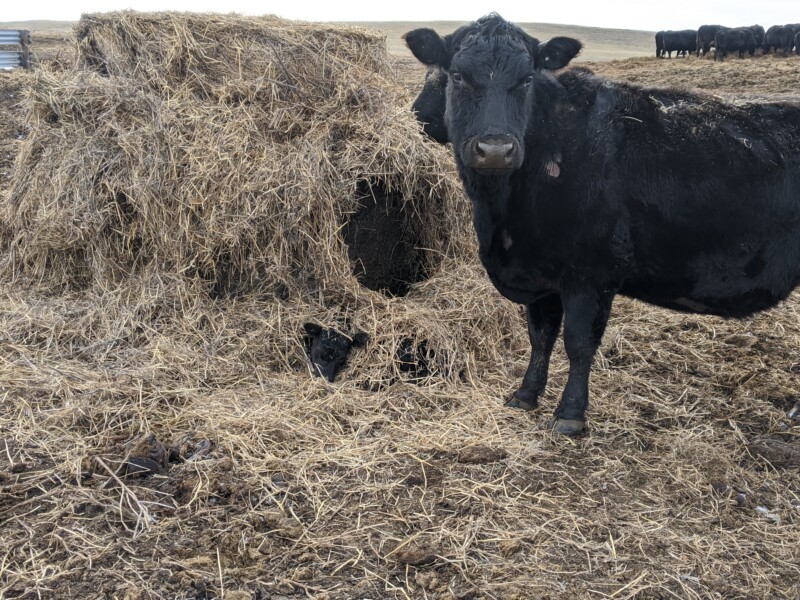
The calf was dead by morning. He died with his mom by his side, warm and dry. There was nothing else we could do for him. There is such thing as a good death and a bad death. A baby dying before it has a chance to live is a bad death. Living a full and happy life then dying to provide food, medicine, clothing, every part of a cow is used, nothing wasted. That is a good death.