The Diagonal Double Whorl, Horse Whorls

This is the only high whorl that shows an introverted temperament.

This is also the hardest whorl for me to recognize. In fact it’s lack of definition and ease of recognition is one of the hallmarks of the whorl. It is usually a bit muddied with faint ghost whorls and feathering weaving between the two whorls.

It is the hardest whorl for me personally to work with. There are no bad whorls, just different ways horses need handled. This one needs handled with extreme care and sensitivity. A right brain introvert is one who will hide emotions, like any introvert they hold their feelings deep inside themselves not showing the world how they feel. Unlike a left brain introvert who will withdraw further and refuse to interact any more when overwhelmed by too much going on around them, a right brain horse will explode. When a right brain introvert reaches the point they can’t handle the stimulation any more they will bolt, or buck. Often this will come as a complete shock to people who thought their horse was ok with what was going on because they were still and quiet.

That very stillness can be a warning sign. The horse is pulling deeper and deeper into themselves trying to hide internally from the things they can’t handle.

Missing the warning signs and misreading the stillness people are often caught completely unaware then when the horse explodes.

Is this horse a diagonal double? I think so? Again, I think so in large part because I can’t tell! When I have no idea what the whorl is for sure that means it’s probably a diagonal double 😉 But also the rest of the head shows a right brain horse. Huge, worried eyes, hard and lined with lines of worry, large alert nostrils, thin skin tight to reined bones.


Finding A New Cue

Often when we are working with horses we give a cue that ‘we’ think should go with a trick. Then we get frustrated when the cue doesn’t work.
It is so important in our training to take a step back. Not being determined to use one certain cue but to be willing to experiment and find something our animals can better understand can avoid frustration for both of us.
I thought that stepping forward and back would be a workable cue to ask Ghost to step forward and back. After all, it works on the horses. The horses don’t have spin down like Ghost does.
My step back was close enough to her spin cue that she offered spin instead. I didn’t reward it because that wasn’t what I was after. She was trying her heart out. Just not giving what I was looking for. If I kept going at it her frustration levels would skyrocket. She would quit being so happy to try.
That is the last thing we ever want.
Catching myself and realizing the problem, luckily, I started experimenting. What would she do if I touched her leg? I didn’t expect back, I was just trying it out to see what sort of response I got so we could look for something from there.
Fortunately what she offered was what I was looking for. Now we had a cue that was clear and not frustrating to her and getting back was easy.
When something isn’t working quitting the thing we are doing and searching for other ideas can be the best thing we can do for our animals.

Horse Whorls, Lop Sided

I went to see some friends the other day. We were playing with horses, talking about horses, looking at horses.
What else do people do with their friends???  😉
As we worked with this nice mare I was looking at her feet, noticing the slight imbalance. Her right front hoof is much straighter than her left front. As I heard a story about her taking a good tumble and her regular stumbles I thought about that hoof.
I checked out her chest whorls, perfectly even. I looked at flanks, same. Nothing unusual on the sides of her neck. Her head shows a friendly, willing horse.
As I looked at the head though I noticed a whorl on the back side of her jowl. I’ve seen these before a handful of times and always put them down to being part of the throatlatch whorls that were always present with them.
Could a whorl on the side of a jowl be related to an upright hoof on the opposite side of the body?
As I kept looking there was a spot on her neck where the hair grew towards the right. Not ‘whorl’ just a patch of side swept hair. Then I peaked under her belly. With it not being a horse I was familiar with I was cautious. The view is hard to get. I stuck my camera under there instead of my head and took a handful of shots hoping to be able to see something in the end.
Looking at the pictures the uneven belly whorls were clearly visible. One at the center line while the other was set out a ways.
The end conclusion?
The jowl whorl may well be related to the hooves. There’s no way to tell for sure without many more horses to look at. But, the jowl whorl combined with the neck whorl and the belly whorls are clear signs pointing to the unbalanced sides of her body.
A lack of balance from side to side can be the cause of a horse being ‘clumsy’ and having a tendency to take spills or get hurt. We can never just look at the head. The entire body contributes to the temperament and behavior of a horse.

Ghost

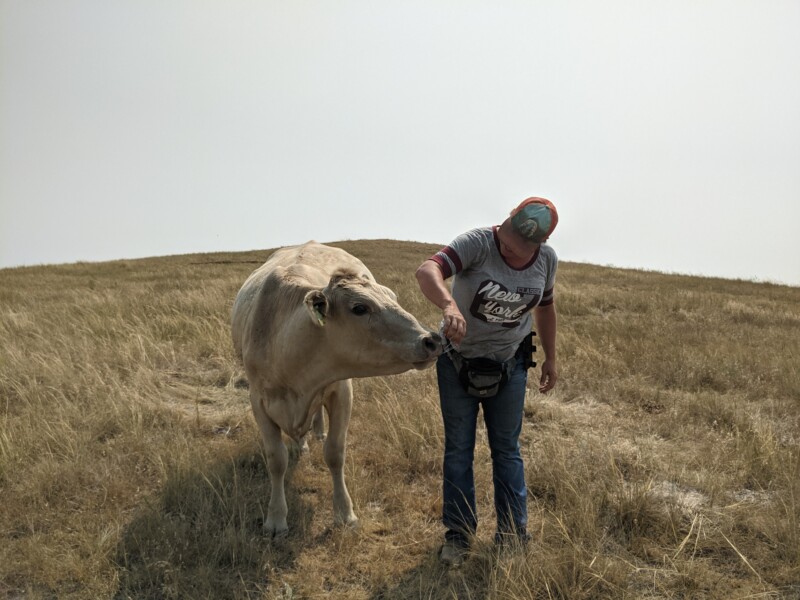
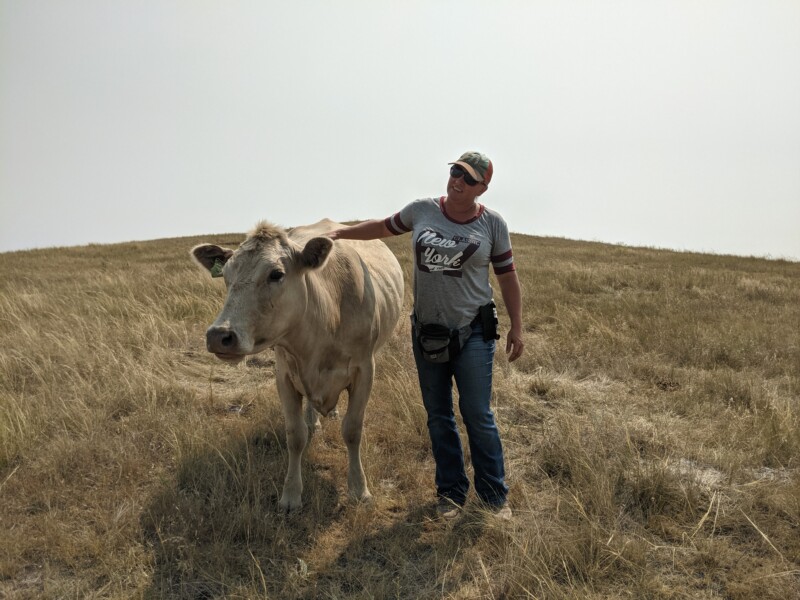
A friend came along with me to check cows. I also remembered to bring cookies for Ghost. As a result we got some video of Ghost doing her tricks!
Ghost remembers how to spin. We played around with it a bit the other day but her calf wanted to nurse. The calf is as big as she is so it was hard for Ghost to manage to spin around the calf. Luckily we weren’t there at lunch time this time around.

Hypermobility, for whorl page

What can the legs of a horse tell us about temperament?
In some cases legs can tell us quite a lot.
 
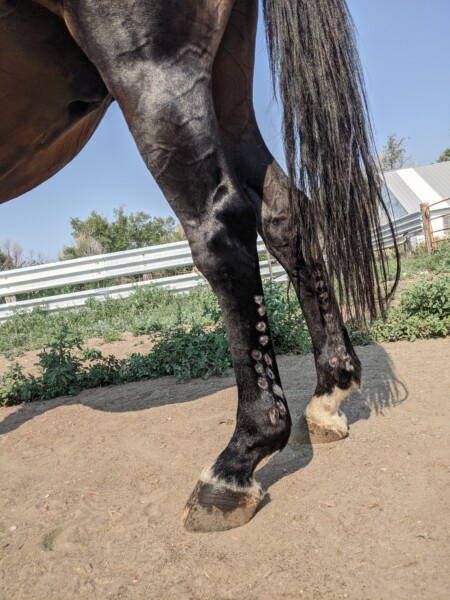
When a horse’s ligaments are weak due to hypermobility it gives them a lack of stability. The problem often shows up first in the suspensory ligaments, where it is known as DSLD, but it exists through the ligaments of the entire body.
When a horse feels a lack of balance, strength, and control because of the loose ligaments through their body they become nervous and reactive.
Hypermobility will often present like this horse. The hind pasterns are weak and sinking lower. This has caused what may have already been fairly straight hind legs to become almost completely straight. We can see by the pin firing that there has been lameness along the way. The attempt to treat it was misguided and focusing on the wrong issues. Not that pin firing is effective for anything.
This horse also has a pendulous belly. The loose ligaments, along with poor conformation and bad training, allow it to hang instead of being held up by the muscles as it would be in a ‘normal’ horse.
Horses with weak sunken pasterns will usually have high flashy action which is also a normal accompaniment to a high strung, reactive temperament.
There are so many factors that go into the creation of temperament and personality. Hypermobility can cause what would otherwise be a calm steady horse to become reactive and spooky. Nothing works alone in a horse’s body and the entire picture needs to be taken into account when we look at whorls and all the other ‘tells’ on the outside of a horse that can give us clues to what is going on inside.
 
horsewhorls.com


New Whorls? for the whorl page

Whorl develop in the womb as the horse develops. We know that and we know that this is why we can use them to tell us about the inside of the horse, or any other creature with hair. The skin and hair follicles are made right alongside the brain and muscle.

Animals are born with the whorls that they will have.

Or are they?

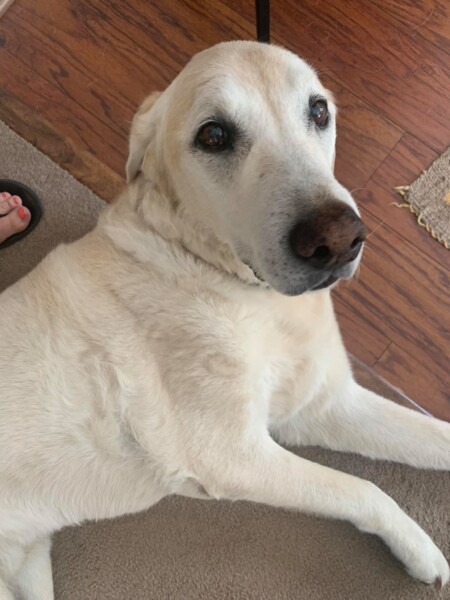
This dog is an anomaly in so many ways. Apparently he didn’t feel the need to follow the rules in this anymore than he has in the rest of his life. Diagnosed with a bone tumor at eleven he was given no chance of survival, due to his age there was no likelihood of treatment succeeding.

Told to take him home and make him comfortable his people did exactly that. Due to that love and care he is still going strong.

The other thing that he is doing is developing a whorl!

Directly over the location of the bone tumor a whorl has grown in the hair over the last few weeks.

Whorls aren’t supposed to be able to appear after an animal is born. It just isn’t done.

The hair is directly connected to the muscle underneath, to the body. Everything is connected, which seems obvious but is constantly being driven home to me. Why shouldn’t changes in the underlying structure cause changes in the way the hair grows?

This deserves a scientific paper written about it. All it will get is its own post. This is a very big deal. People often ask if their horses whorls could possibly be changing. I can no longer say no with confidence.


Ball Challenge

We are doing a ball challenge over in the Academy. Everyone who wants to contribute a video of their horse playing ball will be included in a group video for all of us to share.

I was able to convince my daughter to come play with me. She has been having fun stealing my gopro and making then editing videos of her adventures around the farm. I thought she might like to edit this one and maybe she will do her own take on it. For now this is mine.


Company

We had company over to play yesterday!

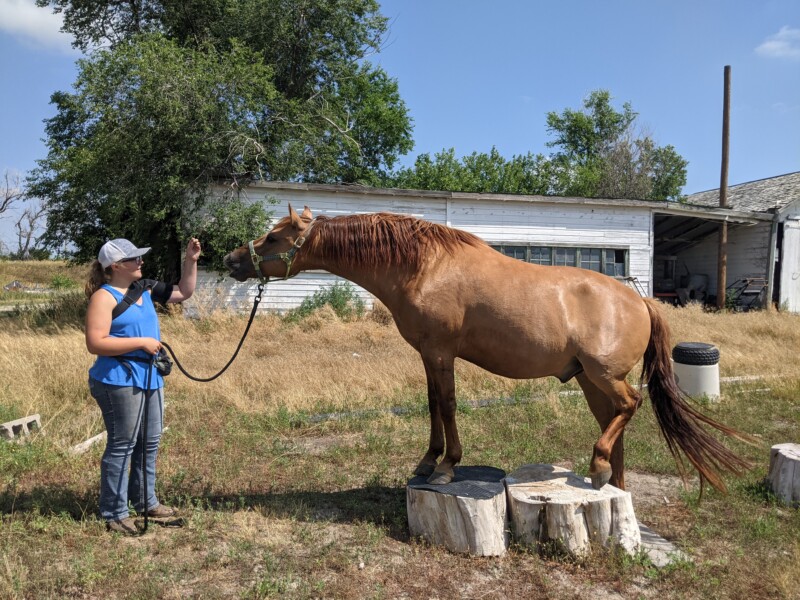
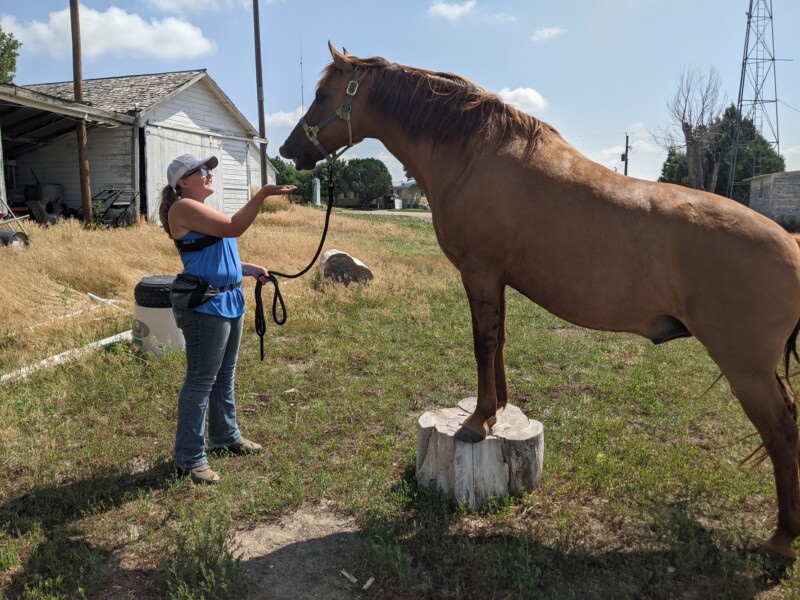
A neighbor girl came over. She has her own horses and is a very good horseperson. We worked on some ground work with Heildorf. Touched on the basics of starting clicker training, ground manners, targeting, that sort of thing. Then she went to playing with Heildorf. They played with smile, Spanish walk, and pedestal work.

She was doing such a great job I threw her up on Rusty for even more fun. We practiced riding basics, good hand position, leg yield, body position to get a good back without the reins. She did great. Rusty gets frustrated easily but was very patient with us.

It was a fun day and I hope that I get another play date soon. It’s no fair that they are mostly limited to the children 😉


Trust

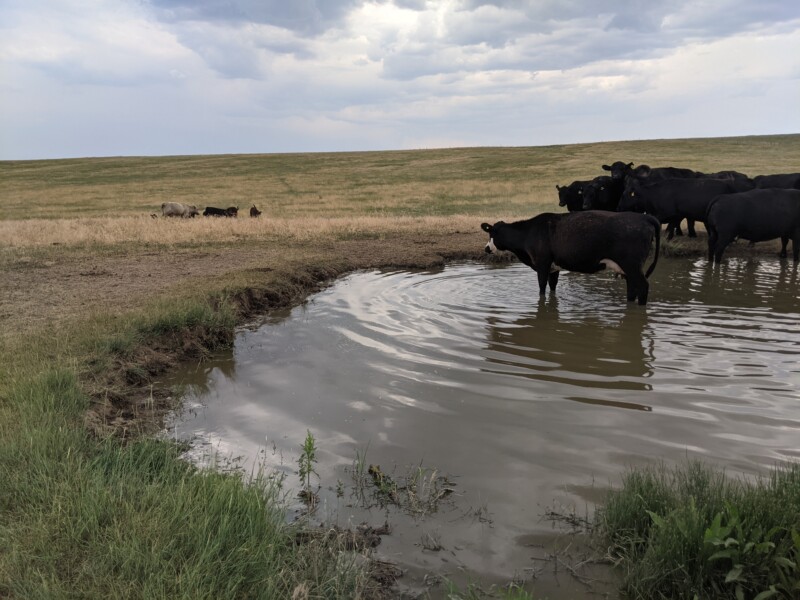
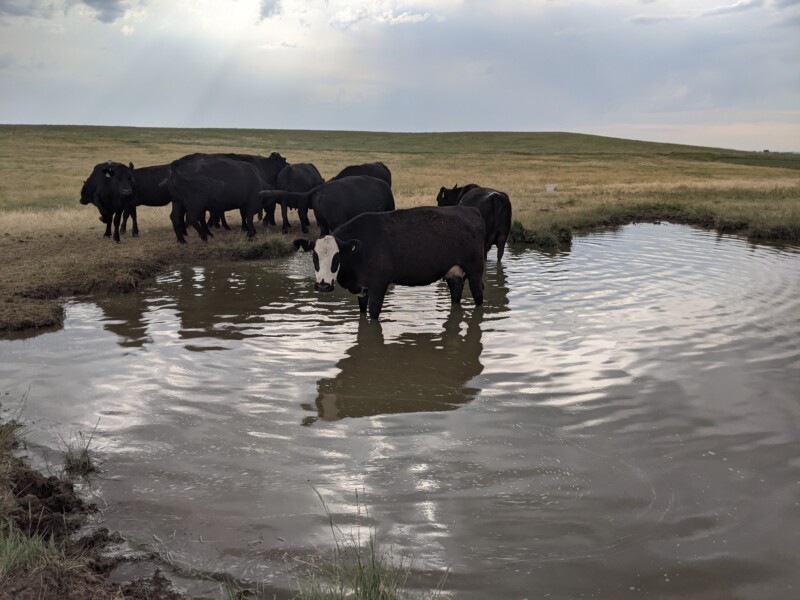
I went out to check the tank in the cows pasture last week. The flies have been awful this year. Most of the herd was huddled together swatting flies, in or out of the pond.

All of them except Ghost. She isn’t really included in the herd. She came running up to me as I shut the 4wheeler off, begging me to help her.

I ran my hands down her back, brisket, and legs, smashing as many flies as I could. Rubbing away the pain of the fly bites. Scratching where it itched. She knew I would help her. She trusts me to take care of her and do my best to fix whatever problems she had.

Two of the horses wandered off the other day. I had let them both out to graze, together instead of only one at a time like usual. There is only one unfenced path out of the yard. I don’t worry a whole lot about them leaving. I don’t think there would have been a problem but those same flies, driving everything crazy. They wandered farther than usual and got themselves on the wrong side of an electric fence.

They were not happy and wanted back. They wanted back bad.

As soon as I realized what was going on I rushed to save them. In sandals and carrying one halter because I didn’t want to take the time to grab another. Ducking under the fence I called and they came running to me, begging to be saved. They came with such enthusiasm I thought my toes would never survive the saving. They knew they could trust me to take care of them and do my best to fix whatever problems they had.
With one horse haltered and the other following close on his heels we dropped the fence they followed me across the scary wire and back to the others.

Trust is such an important part of our relationships with our animals. Do they know that we will only do what is best for them or are they more afraid of us than of the scary things in life?

If we can get our animals to do what we want because they fear us then we wont be able to get them the help they need when the other things are scarier. If we can get our animals to do what we ask because they want to and they trust us to take care of them, they will run to us, instead of away, when they need help.